
Workplaces are going through big changes, and companies that don’t change may get left behind. Employees now want more flexibility, fairness, and meaning in their jobs, causing businesses to change their usual ways.
A recent study shows that 63% of companies have started flexible work styles, which help improve both productivity and worker happiness. This change is just one example of important shifts shaping how work will look in the future.
In this article, we will look at 19 workplace trends that will stay. From hybrid work options to mental health support, these trends show what employees want and what businesses need to succeed.
Which of these trends do you think will have the greatest effect? Let us know your thoughts as you continue reading!
YOUR DAILY DOSE OF
“Aha!”
Join the Wilthink community and unlock a treasure trove of fresh perspectives, intriguing ideas, and insightful discoveries delivered straight to your inbox!
Flexible Schedules to Improve Work-Life Balance

Flexible schedules let employees work at times when they are most productive. Workers like being able to organize their time around personal needs. Employers gain by keeping their teams motivated and full of energy.
This approach helps employees with families, caregiving roles, or other duties. People who set their own hours are happier with their jobs and feel less burnout. Companies using flexible plans see fewer workers leaving and better employee loyalty.
Technology is important in making flexible work possible. Tools for tracking tasks and online communication help keep work moving smoothly. Flexibility is now seen as a basic requirement, not a bonus.
The Demand for Purpose-Driven Work

Employees today want jobs that match their personal beliefs. Work with a clear purpose lets people help important causes while getting paid. Businesses that focus on purpose attract eager, faithful workers.
Explore Similar Posts




Explore Similar Posts
Groups that act responsibly in society earn respect and customer confidence. Employees feel happy when their tasks support wider aims like protecting the environment or helping the community. This encourages teams to stay loyal to their jobs and the company’s mission.
Purpose-led companies build good workplace environments. Workers feel proud to help goals that go beyond making money. The rising wish for meaningful work shows how job hopes are changing today.
Rise of Collaborative Digital Workspaces
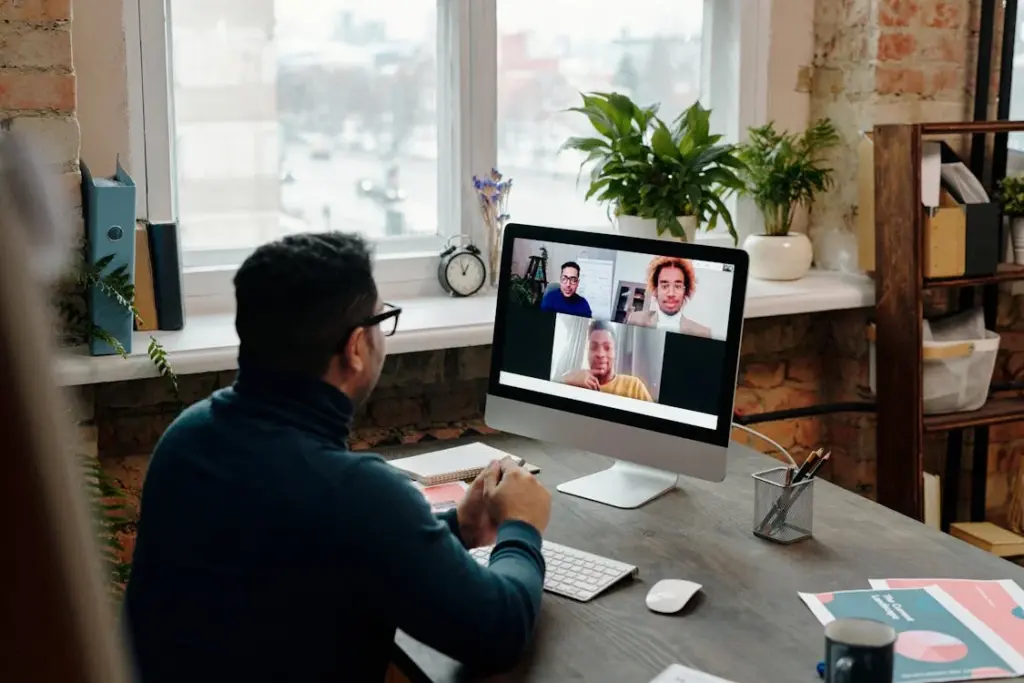
Regardless of location. Tools like Slack, Microsoft Teams, and Asana enable real-time communication and task management. These platforms keep teams organized, connected, and productive.
The shift toward remote work made digital collaboration tools essential. Teams can brainstorm, share updates, and track progress seamlessly. Employers adopting these tools ensure work continues without disruption, fostering efficiency.
Digital platforms also enhance transparency. Managers can monitor workflows while giving employees autonomy to complete tasks. These collaborative tools have become fundamental to workplace success.
The Rise of Hybrid Work Models

Hybrid work mixes working at the office and working remotely, giving workers and companies more flexibility. Businesses using this setup often see better productivity and happier employees. It finds a middle ground between teamwork in person and quiet time at home, making it a good plan for the future.
As employees want more say in their hours, hybrid work offers a positive solution. Teams stay connected while workers have freedom, helping companies keep their best people. Companies also save money since they need smaller office spaces with hybrid schedules.
Moving to hybrid jobs helps include people from different places who can join the work. Employers can hire from a wider group, leading to more varied teams. This way of working is not just a short-term fad but a real change in how work is done today.
Increased Focus on Mental Health Support

According to a recent survey, 74% of employees report negative mental health at work. Workplace mental health is no longer overlooked. Companies now provide resources such as therapy sessions, wellness programs, and mental health days.
Addressing stress and burnout helps employees feel supported and motivated to perform at their best. Leaders realize that mental well-being directly impacts productivity and team morale. Employers offering mental health benefits demonstrate care for their teams, which builds loyalty.
With remote and hybrid work blurring work-life boundaries, mental health initiatives have become essential. Programs that reduce stress improve employee engagement and retention. This trend highlights a shift toward prioritizing the whole person, not just their work output.
Technological Advancements Shaping Workflows

Advanced technology continues transforming how teams work and communicate. Tools like AI, automation, and collaboration platforms streamline tasks, allowing employees to focus on strategic work. These tools improve efficiency, accuracy, and overall productivity.
Technology enhances remote work by offering seamless ways to connect across time zones. Cloud-based systems ensure work progresses smoothly regardless of location. The adoption of tools like virtual whiteboards and project management apps keeps teams aligned.
Businesses that embrace technology stay ahead of competitors. Employees expect modern tools to simplify workflows, so organizations must continually invest in upgrades. The reliance on technology ensures this trend will remain a workplace priority.
Focus on Continuous Learning and Development

Lifelong learning is very important for career growth. Many companies give programs to help workers gain new skills or learn different ones for changing jobs. Supporting ongoing learning helps businesses stay strong and creative.
Workers like chances to grow in their jobs. Having training, classes, and certificates raises their confidence and work quality. Companies that focus on growth show they care about their workers’ success.
As industries change fast, learning helps workers stay flexible. Businesses gain by having staff ready for new trends and tools. Constant learning leads to lasting success at work.
Prioritizing Transparent Communication

Transparency builds trust between employees and leadership. Companies now share updates on goals, challenges, and performance metrics. Open communication ensures everyone stays aligned and connected to organizational success.
Employees feel more engaged when they understand company decisions. Transparency reduces uncertainty and promotes a culture of accountability. Leaders who communicate effectively foster strong, supportive work environments.
This trend strengthens relationships across all levels of an organization. Employees are more likely to trust leadership when updates are clear and consistent. Transparency is a cornerstone of a healthy workplace culture.
🙋♀️If you like what you are reading, then click like and subscribe to my newsletter. We share tips to waste less time and money.
Increased Reliance on Freelance Talent

Companies are hiring freelancers for specific jobs and tasks. Freelancers bring flexibility, skill, and lower costs to businesses. This method lets companies grow or shrink their teams as needed.
Freelancers have many skills, helping businesses finish work quickly. Employers can hire experts without making long-term deals, saving money. Freelancers like being able to pick projects that match their interests.
The growth of remote work has made freelancing easier to do. Companies get access to more talent, and freelancers find chances all over the world. This win-win system keeps getting more popular.
Emphasis on Diversity, Equity, and Inclusion (DEI)

According to recent studies, companies with diverse teams are 35% more likely to outperform competitors. DEI has moved beyond buzzword status and is now embedded into company policies.
Businesses are actively working to eliminate bias in hiring, promotions, and leadership opportunities. Creating equitable work environments ensures all employees thrive and feel valued.
Companies that prioritize diversity are more innovative and better positioned for growth. Diverse teams bring unique perspectives, leading to creative solutions and smarter decisions. It also builds trust with customers who value representation and inclusivity.
Expansion of Virtual Training and Onboarding Programs

Virtual training has changed how businesses prepare and grow their employees. Online onboarding programs give new hires clear courses, videos, and live help. These tools help employees feel ready as they start their jobs, no matter where they are.
Companies use virtual training to save time and money while offering flexible learning. Interactive tools like webinars and simulations keep employees interested and make learning easy. This method lets businesses train teams quickly and in a steady way.
Organizations gain lasting value by investing in virtual education. Employees can learn new skills or train in different areas without leaving work. Virtual training programs are proving to work well, grow with needs, and adjust to changes at work.
Implementation of Workplace Ergonomics Initiatives

Businesses are improving workplace setups to prioritize employee health and comfort. Ergonomic furniture, standing desks, and posture-support tools help reduce physical strain and injuries. These initiatives create healthier, more productive work environments for employees.
Ergonomic improvements are not limited to physical offices. Companies provide resources to help remote employees set up comfortable workspaces at home. This proactive approach prevents health issues caused by prolonged sitting or poorly designed work areas.
Investing in ergonomics increases employee satisfaction and reduces absenteeism. When workers feel physically supported, their focus and productivity improve. This trend emphasizes the importance of well-designed workspaces for long-term success.
🙋♀️If you like what you are reading, then click like and subscribe to my newsletter. We share tips to waste less time and money.
Focus on Sustainable Business Practices

Sustainability is now an important part of work plans. Companies use eco-friendly rules like saving energy and cutting waste. These actions match global goals and attract workers who care about the environment.
Organizations that focus on sustainability save money and work better. Workers feel proud to be part of companies making a good difference. Customers also prefer businesses that act responsibly, which helps build trust in the brand.
Sustainability supports lasting success for organizations. Companies that follow green methods stay strong in changing markets. This promise to sustainability makes a positive and ongoing effect on workplaces and communities.
Adoption of AI-Driven Data Insights

AI-driven tools are revolutionizing decision-making processes. Businesses use AI to analyze trends, optimize workflows, and predict outcomes. This data-driven approach helps leaders make informed, strategic choices.
AI simplifies complex tasks like data analysis and reporting. Teams rely on insights to identify opportunities and address challenges. AI tools support smarter, faster decisions that drive company success.
Companies that embrace AI gain a competitive edge. Employees use technology to enhance productivity and accuracy in their roles. AI-driven insights are reshaping workplaces and shaping the future of work.
Greater Emphasis on Employee Recognition Programs

Employee recognition programs are now very important for boosting morale and motivation. Companies often celebrate achievements, milestones, and daily efforts by giving public praise and rewards. This habit helps build a positive work environment where hard work is noticed and valued.
When employees get recognized, they feel thankful and motivated to do better. Teams grow closer when success is shared together. Businesses that pay attention to recognizing their workers have higher retention rates and more satisfied employees.
Formal programs like “Employee of the Month” or bonuses give clear ways to show thanks. Managers also use simple actions, like writing notes or setting up peer recognition. This change shows how appreciation can lead to stronger team results.
Growth of Employee Resource Groups (ERGs)

Employee Resource Groups (ERGs) provide support and connection for underrepresented communities within organizations. These groups offer spaces where employees can share experiences, advocate for change, and develop leadership skills. Companies benefit by fostering inclusion and creating supportive environments.
ERGs contribute to stronger workplace cultures by addressing the needs of diverse employees. Leaders use insights from these groups to improve policies, communication, and opportunities. This collaboration ensures all team members feel heard and valued.
Participation in ERGs also drives personal and professional growth. Employees build networks, develop new skills, and gain visibility within the company. The rise of ERGs reflects a lasting commitment to diversity, equity, and employee empowerment.
Rise of Asynchronous Communication Strategies

Asynchronous communication helps teams work well without needing to talk at the same time. Tools like email, shared files, and recorded videos let workers reply when they are ready and paying attention. This way of working helps people stay productive even if they are in different time zones or have different schedules.
Companies that use asynchronous work understand the importance of time without interruptions. Workers can focus on their jobs without too many meetings or quick answers. This method lowers stress and helps people control their own time better.
Good communication is still important, even without live chats. Teams keep track of updates, set clear deadlines, and share progress using organized tools. Asynchronous communication creates a calm and focused work environment.
Shift Toward Outcome-Based Performance Metrics

Businesses are replacing traditional time-based evaluations with outcome-based metrics. Employees are measured on the quality and results of their work rather than hours spent completing tasks. This shift encourages autonomy, creativity, and accountability.
Outcome-based metrics create fairness by rewarding performance instead of presence. Employees feel empowered to work in ways that suit their strengths while delivering results. Managers can better evaluate contributions and identify areas for improvement.
Organizations embracing this method see higher engagement and innovation. Teams focus on achieving goals rather than adhering to rigid schedules. This approach modernizes performance management to meet evolving workplace expectations.
Integration of Wearable Technology in Workplaces
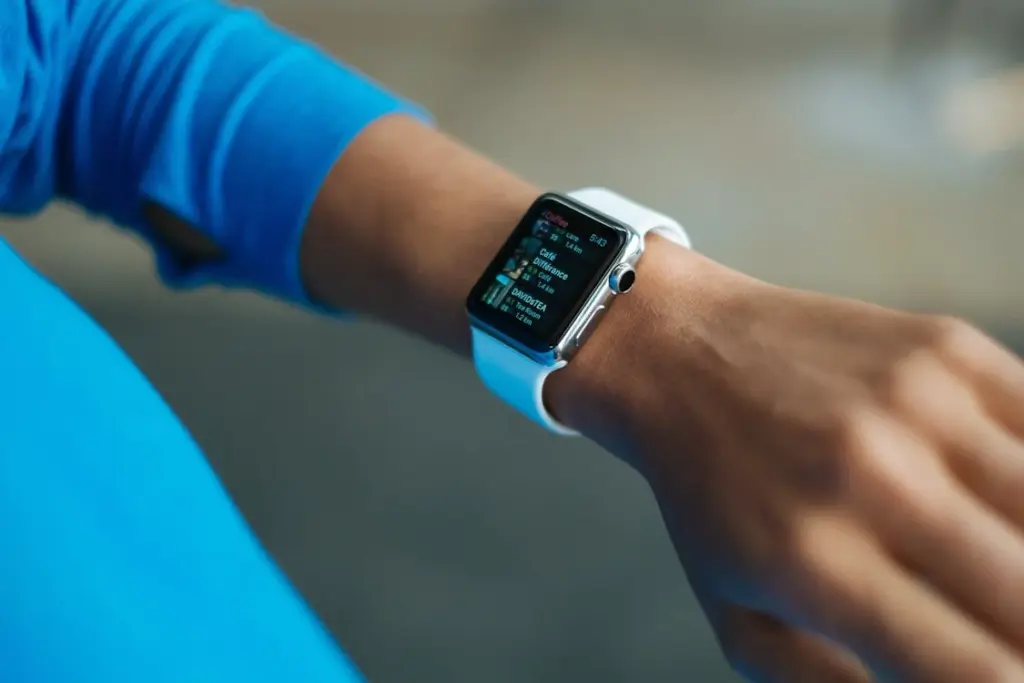
Wearable technology is becoming more popular to help improve employee health and safety. Gadgets like smartwatches track activity, stress, and heart rate, giving instant wellness information. Employers use this data to encourage healthy habits and stop burnout.
In factories and other work sites, wearables give safety warnings and check physical strain. Workers get tools that spot dangers and lower injuries at work. This technology helps businesses keep workers safe and boost overall results.
Wearables are also useful in office settings, promoting movement and managing stress. Companies work with wellness programs to provide these devices as part of health plans. Using wearable technology shows a focus on keeping people well ahead of problems.
Why These Workplace Trends Matter for Everyone

The workplace is always changing. Companies that use these new ways move forward, creating happier and more productive teams. By helping with mental health and using flexible work hours, businesses create places where workers do well.
Knowing about these changes helps you adjust and make good choices. Whether you lead, work, or look for a job that matters, understanding these shifts sets you up to succeed.
🙋♀️If you like what you just read, then subscribe to my newsletter.👈
- Work and Wander: 22 High-Paying Jobs That Let You Travel the World
- Jobs That Break Hearts: 30 Careers Most Likely to End in Divorce
AI was used for light editing, formatting, and readability. But a human (me!) wrote and edited this.